- AI Business Summary
- Posts
- 🔋 The Infrastructure Era: Nuclear Deals, Health AI & Regulatory Pushback
🔋 The Infrastructure Era: Nuclear Deals, Health AI & Regulatory Pushback
This week's report backed by stats!
In partnership with

Speak fuller prompts. Get better answers.
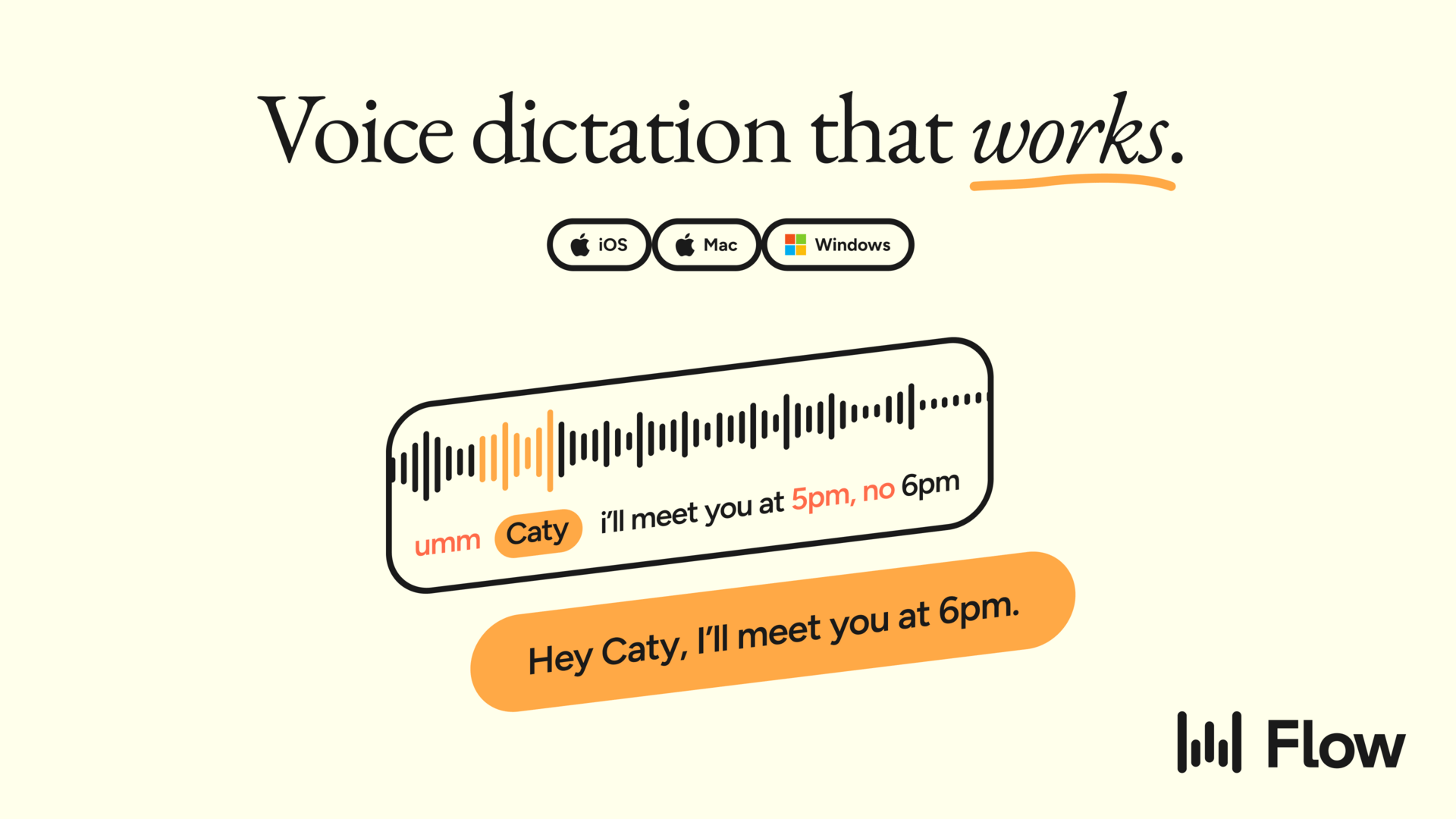
Stop losing nuance when you type prompts. Wispr Flow captures your spoken reasoning, removes filler, and formats it into a clear prompt that keeps examples, constraints, and tone intact. Drop that prompt into your AI tool and get fewer follow-up prompts and cleaner results. Works across your apps on Mac, Windows, and iPhone. Try Wispr Flow for AI to upgrade your inputs and save time.

Welcome back to the AI Business Summary newsletter!
This week, we have more significant (and mostly positive) news in the world of AI.
The Big Lead: Meta names former Trump advisor Dina Powell McCormick as president to guide strategy during AI infrastructure expansion.

Here’s everything else you need to know this week in AI...
In Today’s Issue:
🏛️ Meta names former President Trump advisor as president and vice chair
⚡ Meta backs 1.2 GW nuclear power deal with Oklo
💰 Alphabet hits $4 trillion valuation after AI refocus
🩺 OpenAI launches ChatGPT Health with medical records
⚙️ OpenAI rolls out GPT-5.2 with speed improvements
📱 Apple selects Google Gemini to power Siri
🚫 Grok restricts image generation after backlash
🛒 Google unveils Universal Commerce Protocol for AI agents
🧬 Anthropic expands Claude into healthcare
🌏 Indonesia and Malaysia block Grok over deepfakes
Infrastructure & Compute Wars
🏛️ Meta names former President Trump advisor Dina Powell McCormick as president
Former President Trump's national security advisor joins Meta leadership.
Also serves as vice chair and management team member.
Tasked with strategy during Meta's AI infrastructure expansion.
Follows recent hire of ex–President Trump trade official as legal chief.
⚡ Meta backs 1.2 GW nuclear power deal with Oklo
Meta supports a 1.2 GW advanced nuclear campus in Ohio.
Oklo receives prepayments to fund early development.
Power designed for Meta data centers and AI clusters.
First phase targets operation around 2030.
💰 Alphabet hits $4 trillion valuation after AI refocus
Alphabet's market cap reaches the $4 trillion milestone.
Investor sentiment boosted by AI product refocus.
Gemini advances cited as key growth driver.
Reinforces AI leadership race with Microsoft and Meta.
AI Health Revolution
🩺 OpenAI launches ChatGPT Health
Dedicated health experience inside ChatGPT announced.
Over 230 million weekly health-related queries cited.
Users can connect medical records and wellness apps.
Health chats are isolated and excluded from model training.
🧬 Anthropic expands Claude into healthcare
Claude adds health records and fitness app access.
Launch follows OpenAI's ChatGPT Health debut.
Features available to US Pro and Max users.
Data is excluded from training and long-term memory.
The Model & Product Arms Race
⚙️ OpenAI rolls out GPT-5.2
Third GPT-5 update in four months.
Focuses on speed, latency, and task execution.
Two variants replace GPT-5.1 for all users.
API costs rise roughly 40% per million tokens.
📱 Apple selects Google Gemini to power Siri.
Apple confirms Gemini will underpin next Siri update.
Apple Intelligence still runs on-device and private cloud.
Reported a $1 billion annual payment to Google.
Mark'ss deeper Apple–Google AI partnership.
🛒 Google unveils Universal Commerce Protocol for AI agents.
A new open standard was announced at NRF 2026.
Enables AI agents across discovery, checkout, and support.
Partners include Shopify, Walmart, and Target.
Google Pay and Wallet are integrated for instant checkout.
Regulation & Safety Crackdowns
🚫 Grok restricts image generation after backlash
Grok disables image generation for most users.
Triggered by sexualized and violent AI imagery.
Feature now limited to paying subscribers.
UK regulators threaten fines under the Online Safety Act.
🌏 Indonesia and Malaysia block Grok over deepfakes
Governments temporarily block xAI's Grok chatbot.
Cited non-consensual sexualized AI imagery.
India and the EU are also escalating regulatory scrutiny.
Highlights rising global enforcement pressure on generative AI.
🌱 Bonus Thought
This week's headlines reveal a pattern: companies racing to deploy AI at scale while simultaneously wrestling with governance, ethics, and public trust. Meta builds nuclear power plants and hires political advisors. OpenAI and Anthropic push deeper into healthcare. Apple and Google forge billion-dollar partnerships. Regulators in multiple countries shut down products after public backlash.
The real challenge isn't technical capacity. It's leadership. AI can draft, analyze, and execute at speed, but it cannot set strategy, build stakeholder trust, or make values-based decisions under pressure. Those responsibilities remain stubbornly human. Organizations pouring billions into compute infrastructure must invest just as seriously in developing leaders who can navigate trade-offs: speed versus safety, automation versus accountability, scale versus inclusion.
The winners won't just be the companies with the most advanced models. They'll be the ones with leaders capable of steering AI toward outcomes that create value without fracturing trust.
Human judgment still determines whether AI amplifies progress or accelerates chaos.
📝 Business Prompt to Try
"Act as a strategic AI implementation advisor. Review our operations across sales, marketing, customer service, and finance. For each department, identify three AI automation opportunities deployable within 90 days. For each, specify: (1) the exact task to automate, (2) estimated weekly time savings in hours, (3) required tools (name specific platforms like ChatGPT, Claude, Zapier), and (4) one key risk. Prioritize tasks where AI handles repetitive work while humans retain final decisions and client-facing judgment."
Why It Works
Targets quick wins with measurable impact: The 90-day constraint forces realistic solutions, while hour-based savings provide concrete ROI metrics.
Balances automation with oversight: Keeping humans in decision roles addresses the trust issues that derail 95% of GenAI projects.
Forces tool and risk specificity: Named platforms and identified limitations surface implementation barriers early, when they're cheapest to fix.
Mirrors enterprise AI patterns: Reflects how Meta, Google, and OpenAI deploy AI, augmenting workflows in healthcare and commerce, not wholesale replacement.
💡 Quote of the Week
Technology is best when it brings people together